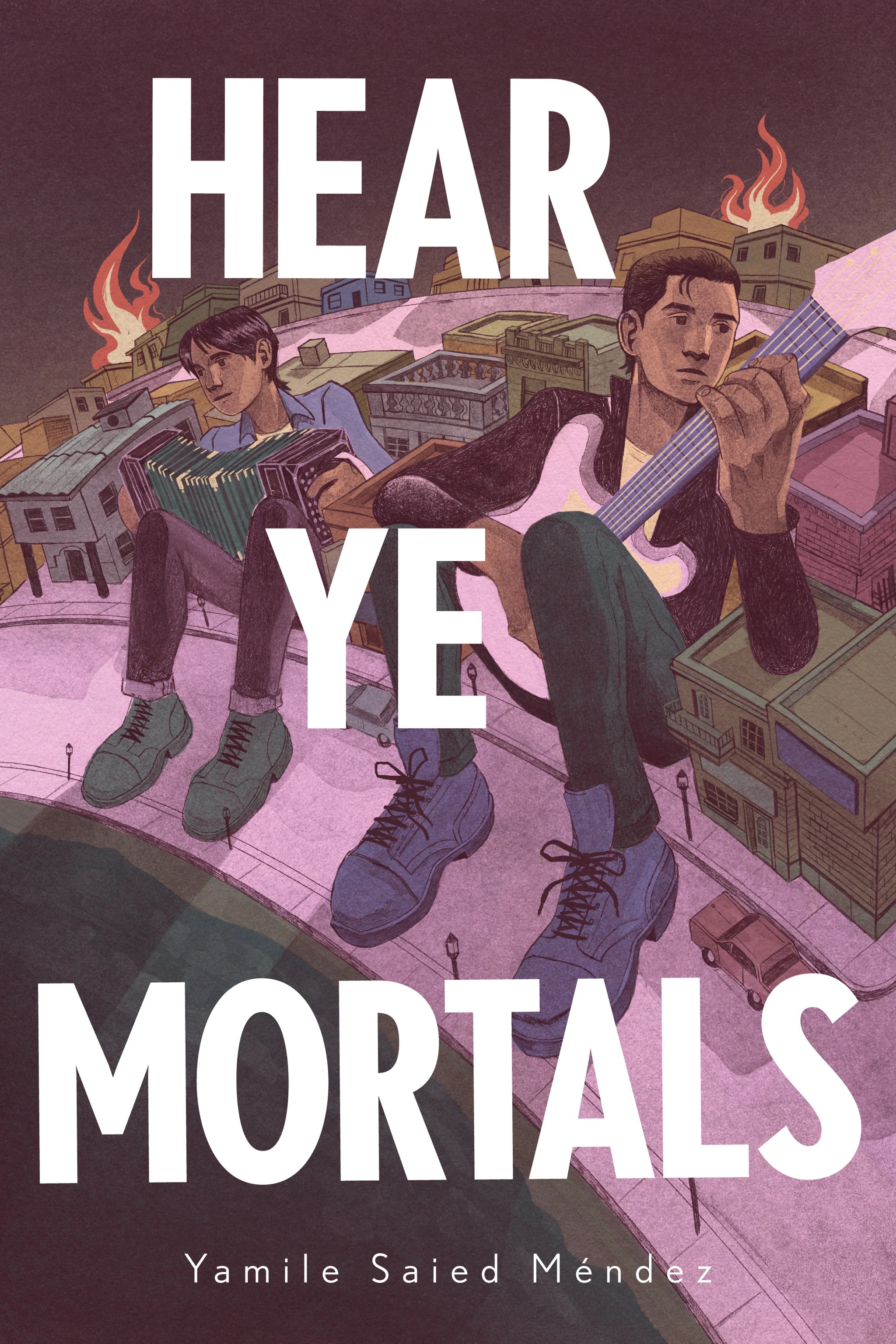
I have recently been reading Hear Ye Mortals, a brilliant YA novel by Yamile Saied Méndez, set in Argentina in 1976, just at the time of the coup that instigated a notoriously violent seven-year civic-military dictatorship. The book is about two teenage brothers who form a band with some friends from their barrio. Although the songs they write are not intended to be political, they come from the heart, and when one of their numbers mysteriously makes its way onto the radio it becomes an anthem for the masses, which inevitably spells trouble for the group who produced it. It’s a fantastic book, and it says a lot about the power of both music and literature – particularly children’s literature – as tools for resistance.
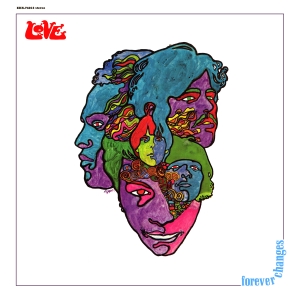
Coincidentally, on the evening of the day I finished reading Hear Ye Mortals, I went to see the band Love play in a pub down the road from me. There’s only one original member still surviving – guitarist Johnny Echols – but the current line up was fantastic and it was a brilliant evening. As I merrily sang along to ‘Live and Let Live’, however, I found myself paying closer attention than usual to the lyrics, and thought to myself, hang on a minute, this is a protest song! Which is probably obvious to anyone who has spent five minutes actually researching the band’s backstory – they were one of the first racially diverse rock bands to be signed to a major record label, and the time they were making music coincided with the rise of the civil rights movement in America. BUT, what really struck me was that the song was released in 1967, and the lyrics are still just as relevant today. Which is depressing, when you think about it.
I suppose the question I’m asking is: how do we move from crowds of people singing along to these songs, or being moved by these stories, to actual societal (and political) change? Because really, believing things need to change isn’t enough, is it? At some point something actually needs to be done, and it needs to be a collective effort. I don’t think anyone has the answer really, and I guess the problem is that a section of society – those with all the power, mainly – doesn’t believe anything needs to change. I do believe though, that by teaching for critical consciousness in children and teenagers, there is some hope for the future. And maybe if, like me, they read a book like Hear Ye Mortals and then listen to a protest song, they will start to join the dots. Because who knows what might have happened if I’d made that connection at 17? As it is, I’m going to attempt to make a difference in the only way I know how – through translation.

